
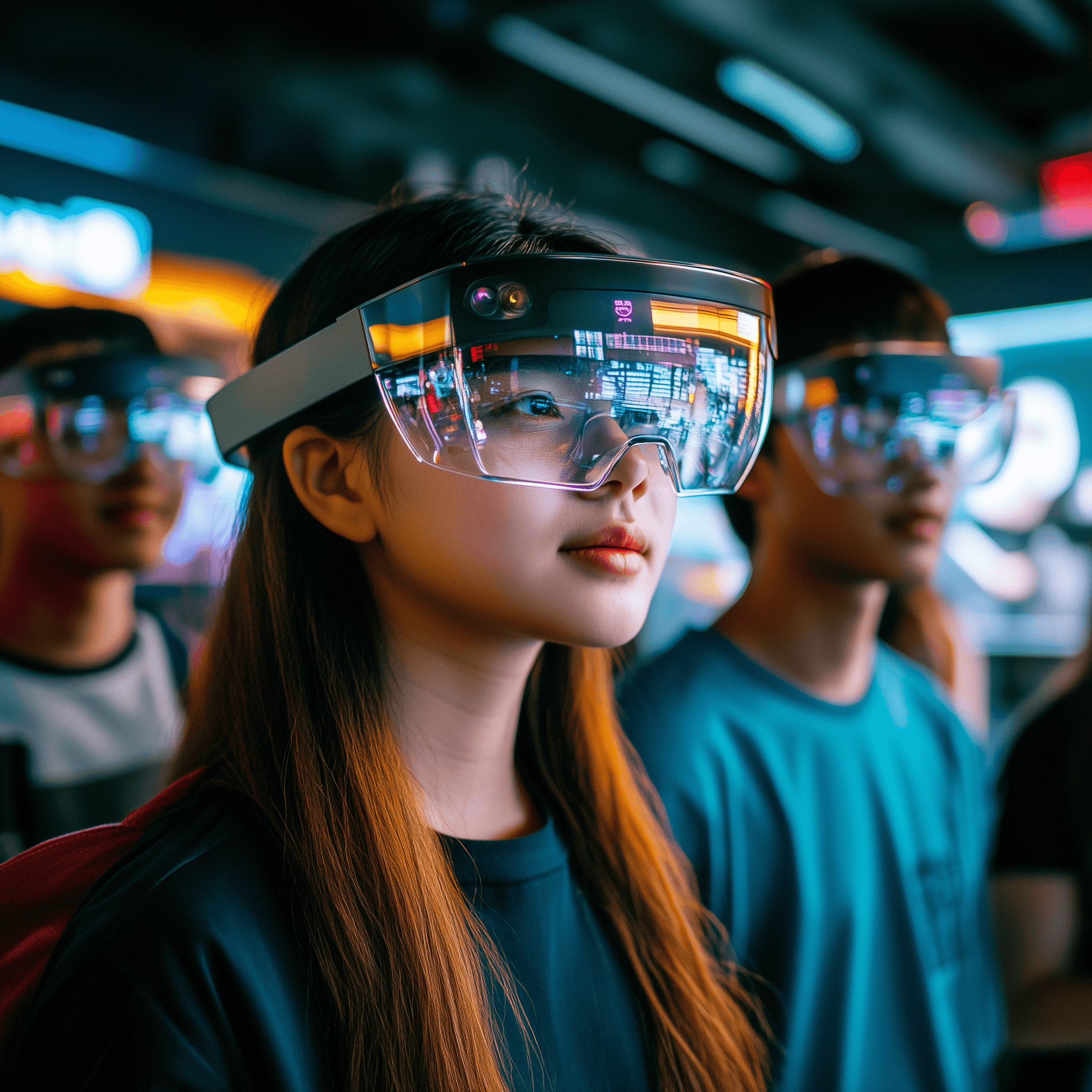







What’s new in Office 2024 and 2026

The Arrival of Microsoft Office 2024: A New Era for Productivity

On October 1, 2024, Microsoft officially launched Microsoft Office 2024, marking a significant milestone in the world of productivity software. This highly anticipated release is not just another update—it’s a comprehensive, perpetual version of the iconic Office suite, designed to bring together the most powerful features and innovations that Microsoft 365 subscribers have enjoyed over the past three years. Whether you’re a home user, a small business owner, or part of a large enterprise, Office 2024 offers something valuable: a one-time purchase option that provides long-term access without the need for a recurring subscription.

Unlike the cloud-first, subscription-based model of Microsoft 365, Office 2024 is tailored for those who prefer predictable licensing, greater control over updates, and a straightforward ownership experience. It’s an ideal choice for organizations with strict license management policies or individuals who want to avoid the ongoing costs associated with subscriptions.

The Big Question: Should You Upgrade to Office 2024, or Wait for Office 2026?

With every major release, users face a critical decision: Is now the right time to upgrade, or should you hold out for the next iteration? If you’ve been asking yourself, "Should I upgrade to Office 2024, or wait for Office 2026?"—you’re not alone. This is a question on the minds of professionals, businesses, and tech enthusiasts alike.

To help you make the best choice for your needs, this guide will take you through everything you need to know about Office 2024. We’ll explore:

  • What’s new in Office 2024? A detailed look at the standout features and improvements that could transform your workflow.

  • Which features matter most for you? Whether you’re focused on collaboration, security, automation, or creativity, we’ll highlight what aligns with your priorities.

  • What’s on the horizon for Office 2026? A sneak peek at Microsoft’s roadmap, so you can weigh the benefits of upgrading now versus waiting for future innovations.

By the end, you’ll have all the insights you need to confidently decide whether Office 2024 is the right fit for you—or if waiting for Office 2026 might be the smarter move. Let’s dive in and explore what this exciting release has to offer!

What’s new in Office 2024 and 2026

The Arrival of Microsoft Office 2024: A New Era for Productivity

On October 1, 2024, Microsoft officially launched Microsoft Office 2024, marking a significant milestone in the world of productivity software. This highly anticipated release is not just another update—it’s a comprehensive, perpetual version of the iconic Office suite, designed to bring together the most powerful features and innovations that Microsoft 365 subscribers have enjoyed over the past three years. Whether you’re a home user, a small business owner, or part of a large enterprise, Office 2024 offers something valuable: a one-time purchase option that provides long-term access without the need for a recurring subscription.

Unlike the cloud-first, subscription-based model of Microsoft 365, Office 2024 is tailored for those who prefer predictable licensing, greater control over updates, and a straightforward ownership experience. It’s an ideal choice for organizations with strict license management policies or individuals who want to avoid the ongoing costs associated with subscriptions.

The Big Question: Should You Upgrade to Office 2024, or Wait for Office 2026?

With every major release, users face a critical decision: Is now the right time to upgrade, or should you hold out for the next iteration? If you’ve been asking yourself, "Should I upgrade to Office 2024, or wait for Office 2026?"—you’re not alone. This is a question on the minds of professionals, businesses, and tech enthusiasts alike.

To help you make the best choice for your needs, this guide will take you through everything you need to know about Office 2024. We’ll explore:

  • What’s new in Office 2024? A detailed look at the standout features and improvements that could transform your workflow.

  • Which features matter most for you? Whether you’re focused on collaboration, security, automation, or creativity, we’ll highlight what aligns with your priorities.

  • What’s on the horizon for Office 2026? A sneak peek at Microsoft’s roadmap, so you can weigh the benefits of upgrading now versus waiting for future innovations.

By the end, you’ll have all the insights you need to confidently decide whether Office 2024 is the right fit for you—or if waiting for Office 2026 might be the smarter move. Let’s dive in and explore what this exciting release has to offer!

Middle Eastern Breakthrough: UAE’s Diplomatic Efforts Foster Regional Unity

The project, titled “Desert Bridge,” is designed to bring together key nations in the region through dialogue, cultural exchange, and joint economic projects, paving the way for a more stable and prosperous Middle East.

UAE President Khalid Al Mansouri, speaking at a landmark conference in Abu Dhabi, emphasized the transformative potential of the initiative. “We are committed to building bridges of understanding and cooperation. ‘Desert Bridge’ is not only about political dialogue—it’s about uniting our people through shared goals and mutual respect,” he declared. The initiative seeks to address common challenges such as energy security, water scarcity, and regional economic disparities by fostering collaboration on sustainable solutions.

A central component of the initiative is the establishment of a regional economic forum that will bring together leaders from various sectors, including finance, technology, and agriculture. This forum is expected to facilitate the exchange of innovative ideas and attract significant investment in infrastructure projects. “Economic collaboration is key to lasting peace,” said Minister of Foreign Trade, Leila Hassan. “By creating opportunities for joint ventures, we are laying the groundwork for a future where prosperity is shared across borders.”

Cultural exchange also plays a vital role in “Desert Bridge.” A series of high-profile cultural festivals and educational programs are being organized to celebrate the rich heritage of the Middle East and promote cross-cultural understanding. These events, ranging from art exhibitions to music concerts, have already attracted widespread public interest. “When we celebrate our diverse cultures, we build a sense of common identity,” remarked cultural ambassador Faisal Al Nasser.

Local communities in the UAE and beyond have embraced the initiative, with grassroots organizations organizing interfaith dialogues and community outreach programs. These efforts are aimed at breaking down long-held prejudices and building trust among the people of the region. “Unity starts at the community level,” commented community leader Sara Al Riyami. “We are excited to be part of a movement that is bringing people together.”

The international response to the UAE’s diplomatic efforts has been overwhelmingly positive. Global leaders and regional partners have lauded the initiative for its pragmatic approach to conflict resolution and economic integration. “Desert Bridge sets a powerful example of how diplomacy and dialogue can lead to transformative change,” said an OPEC spokesperson.

As the UAE continues to champion regional cooperation, “Desert Bridge” represents a hopeful vision for the Middle East—a vision where nations work together for peace, prosperity, and shared cultural enrichment. By bridging divides and creating platforms for collaboration, the UAE is not only reshaping regional politics but also inspiring a future built on mutual trust and collective progress.

Feb 12, 2025

2 min read

China’s E-Commerce Marketplaces Connect Citizens and Global Consumers

With a sophisticated digital infrastructure and a tech-savvy population, Chinese e-commerce giants are setting new standards for customer experience, efficiency, and international connectivity.

At the center of this digital revolution is the “DragonCart” platform, which recently launched an array of innovative features that blend artificial intelligence, real-time logistics tracking, and interactive customer engagement. “We are creating a shopping experience that is as dynamic as it is personalized,” said DragonCart CEO Li Wei during a product unveiling in Shanghai. The platform’s advanced recommendation engine and streamlined checkout process are attracting millions of users daily, transforming traditional shopping into a fully immersive digital journey.

The benefits of China’s e-commerce triumph extend far beyond the domestic market. By integrating cutting-edge logistics and payment systems, Chinese platforms are making it easier for local businesses to reach global consumers. Small and medium-sized enterprises (SMEs) now have the tools to export their products, bypassing many of the traditional hurdles in international trade. “We are democratizing commerce,” said a leading e-commerce strategist. “Our platforms provide equal opportunity for brands of all sizes to compete in the global marketplace.”

Innovative payment solutions, including mobile wallets and blockchain-based security measures, have bolstered consumer confidence and streamlined cross-border transactions. These technological advancements have not only reduced fraud but also enhanced transparency in the supply chain, building trust between sellers and buyers around the world. “Security and efficiency are the pillars of our digital marketplace,” added Li Wei.

Local communities are benefiting from increased employment opportunities as e-commerce platforms expand their operations. Warehouses, delivery services, and customer support centers are creating thousands of new jobs, contributing to regional economic growth. Educational programs and vocational training initiatives are also being launched to equip workers with the skills needed in the digital economy. “Our success is measured not just in sales, but in the prosperity we bring to our communities,” remarked a local business leader.

China’s government continues to play a supportive role by investing in digital infrastructure and streamlining regulations that facilitate e-commerce growth. Policy measures focused on data protection, consumer rights, and cross-border trade have created an environment where digital commerce can thrive. “We are building a future where technology and commerce empower every citizen,” said a senior government official.

As China’s e-commerce sector continues to flourish, the positive impact on global trade becomes increasingly apparent. The nation’s digital marketplaces are bridging cultural and economic divides, connecting consumers with high-quality products and fostering international partnerships. In a world where digital transformation is key, China’s e-commerce triumph stands as a shining example of how innovation can drive economic growth and enrich lives across the globe.

Feb 11, 2025

2 min read

AI Transforms Education: Personalized Learning Takes Off

Cutting-edge AI platforms are being deployed in classrooms and remote learning environments, tailoring educational content to individual student needs and learning styles.

At the heart of this transformation is a suite of AI-powered adaptive learning systems that analyze student performance in real time and adjust curriculum pacing accordingly. “Our platform uses machine learning to understand how each student learns best,” explained Dr. Emily Carter, a leading educational technologist. “By tailoring lessons to individual strengths and weaknesses, we’re making education more effective and accessible.” Early adopters in various school districts have reported improvements in student engagement and academic performance, with personalized modules helping students master challenging subjects at their own pace.

Remote learning has also benefited tremendously. As schools and universities continue to explore hybrid models of instruction, AI tools are bridging the gap between traditional classroom teaching and online education. Virtual tutors, chatbots, and interactive study aids are available 24/7, offering instant feedback and support to students regardless of their location. “We are witnessing a paradigm shift,” said Carter. “AI isn’t just a tool; it’s becoming a critical partner in education that empowers both students and educators.”

The positive impact extends beyond primary and secondary education. Higher education institutions are integrating AI to analyze research data, predict academic trends, and even assist in grading, thereby freeing up professors to focus on mentorship and creative instruction. These systems are also instrumental in providing career guidance by identifying emerging skill gaps and recommending tailored learning paths.

Government agencies and private investors are fueling this educational revolution with significant funding and supportive policies. Initiatives to increase digital literacy and improve broadband connectivity in underserved regions ensure that the benefits of AI-enhanced education are available to all, bridging long-standing equity gaps. “Our goal is to democratize quality education,” stated a spokesperson from a national education ministry. “With these investments, we are laying the groundwork for a more knowledgeable and innovative future workforce.”

Educators themselves are experiencing a transformation in their roles. Rather than delivering one-size-fits-all lectures, teachers are evolving into facilitators and mentors who work in tandem with AI systems to create a more dynamic and responsive learning environment. Professional development programs are being introduced to help educators harness these new technologies effectively.

As AI continues to advance, its applications in education are expected to expand further—potentially incorporating augmented reality (AR) and virtual reality (VR) for immersive learning experiences. The positive feedback from students, teachers, and parents alike is a testament to the transformative power of personalized learning. With education evolving to meet the demands of a digital world, the future looks brighter for learners everywhere.

This shift toward AI-powered personalized education represents a significant milestone in the ongoing digital transformation of schools and universities worldwide, promising improved outcomes, greater access, and a more engaged learning community for all.

Feb 8, 2025

2 min read

Middle Eastern Breakthrough: UAE’s Diplomatic Efforts Foster Regional Unity

The project, titled “Desert Bridge,” is designed to bring together key nations in the region through dialogue, cultural exchange, and joint economic projects, paving the way for a more stable and prosperous Middle East.

UAE President Khalid Al Mansouri, speaking at a landmark conference in Abu Dhabi, emphasized the transformative potential of the initiative. “We are committed to building bridges of understanding and cooperation. ‘Desert Bridge’ is not only about political dialogue—it’s about uniting our people through shared goals and mutual respect,” he declared. The initiative seeks to address common challenges such as energy security, water scarcity, and regional economic disparities by fostering collaboration on sustainable solutions.

A central component of the initiative is the establishment of a regional economic forum that will bring together leaders from various sectors, including finance, technology, and agriculture. This forum is expected to facilitate the exchange of innovative ideas and attract significant investment in infrastructure projects. “Economic collaboration is key to lasting peace,” said Minister of Foreign Trade, Leila Hassan. “By creating opportunities for joint ventures, we are laying the groundwork for a future where prosperity is shared across borders.”

Cultural exchange also plays a vital role in “Desert Bridge.” A series of high-profile cultural festivals and educational programs are being organized to celebrate the rich heritage of the Middle East and promote cross-cultural understanding. These events, ranging from art exhibitions to music concerts, have already attracted widespread public interest. “When we celebrate our diverse cultures, we build a sense of common identity,” remarked cultural ambassador Faisal Al Nasser.

Local communities in the UAE and beyond have embraced the initiative, with grassroots organizations organizing interfaith dialogues and community outreach programs. These efforts are aimed at breaking down long-held prejudices and building trust among the people of the region. “Unity starts at the community level,” commented community leader Sara Al Riyami. “We are excited to be part of a movement that is bringing people together.”

The international response to the UAE’s diplomatic efforts has been overwhelmingly positive. Global leaders and regional partners have lauded the initiative for its pragmatic approach to conflict resolution and economic integration. “Desert Bridge sets a powerful example of how diplomacy and dialogue can lead to transformative change,” said an OPEC spokesperson.

As the UAE continues to champion regional cooperation, “Desert Bridge” represents a hopeful vision for the Middle East—a vision where nations work together for peace, prosperity, and shared cultural enrichment. By bridging divides and creating platforms for collaboration, the UAE is not only reshaping regional politics but also inspiring a future built on mutual trust and collective progress.

China’s E-Commerce Marketplaces Connect Citizens and Global Consumers

With a sophisticated digital infrastructure and a tech-savvy population, Chinese e-commerce giants are setting new standards for customer experience, efficiency, and international connectivity.

At the center of this digital revolution is the “DragonCart” platform, which recently launched an array of innovative features that blend artificial intelligence, real-time logistics tracking, and interactive customer engagement. “We are creating a shopping experience that is as dynamic as it is personalized,” said DragonCart CEO Li Wei during a product unveiling in Shanghai. The platform’s advanced recommendation engine and streamlined checkout process are attracting millions of users daily, transforming traditional shopping into a fully immersive digital journey.

The benefits of China’s e-commerce triumph extend far beyond the domestic market. By integrating cutting-edge logistics and payment systems, Chinese platforms are making it easier for local businesses to reach global consumers. Small and medium-sized enterprises (SMEs) now have the tools to export their products, bypassing many of the traditional hurdles in international trade. “We are democratizing commerce,” said a leading e-commerce strategist. “Our platforms provide equal opportunity for brands of all sizes to compete in the global marketplace.”

Innovative payment solutions, including mobile wallets and blockchain-based security measures, have bolstered consumer confidence and streamlined cross-border transactions. These technological advancements have not only reduced fraud but also enhanced transparency in the supply chain, building trust between sellers and buyers around the world. “Security and efficiency are the pillars of our digital marketplace,” added Li Wei.

Local communities are benefiting from increased employment opportunities as e-commerce platforms expand their operations. Warehouses, delivery services, and customer support centers are creating thousands of new jobs, contributing to regional economic growth. Educational programs and vocational training initiatives are also being launched to equip workers with the skills needed in the digital economy. “Our success is measured not just in sales, but in the prosperity we bring to our communities,” remarked a local business leader.

China’s government continues to play a supportive role by investing in digital infrastructure and streamlining regulations that facilitate e-commerce growth. Policy measures focused on data protection, consumer rights, and cross-border trade have created an environment where digital commerce can thrive. “We are building a future where technology and commerce empower every citizen,” said a senior government official.

As China’s e-commerce sector continues to flourish, the positive impact on global trade becomes increasingly apparent. The nation’s digital marketplaces are bridging cultural and economic divides, connecting consumers with high-quality products and fostering international partnerships. In a world where digital transformation is key, China’s e-commerce triumph stands as a shining example of how innovation can drive economic growth and enrich lives across the globe.

AI Transforms Education: Personalized Learning Takes Off

Cutting-edge AI platforms are being deployed in classrooms and remote learning environments, tailoring educational content to individual student needs and learning styles.

At the heart of this transformation is a suite of AI-powered adaptive learning systems that analyze student performance in real time and adjust curriculum pacing accordingly. “Our platform uses machine learning to understand how each student learns best,” explained Dr. Emily Carter, a leading educational technologist. “By tailoring lessons to individual strengths and weaknesses, we’re making education more effective and accessible.” Early adopters in various school districts have reported improvements in student engagement and academic performance, with personalized modules helping students master challenging subjects at their own pace.

Remote learning has also benefited tremendously. As schools and universities continue to explore hybrid models of instruction, AI tools are bridging the gap between traditional classroom teaching and online education. Virtual tutors, chatbots, and interactive study aids are available 24/7, offering instant feedback and support to students regardless of their location. “We are witnessing a paradigm shift,” said Carter. “AI isn’t just a tool; it’s becoming a critical partner in education that empowers both students and educators.”

The positive impact extends beyond primary and secondary education. Higher education institutions are integrating AI to analyze research data, predict academic trends, and even assist in grading, thereby freeing up professors to focus on mentorship and creative instruction. These systems are also instrumental in providing career guidance by identifying emerging skill gaps and recommending tailored learning paths.

Government agencies and private investors are fueling this educational revolution with significant funding and supportive policies. Initiatives to increase digital literacy and improve broadband connectivity in underserved regions ensure that the benefits of AI-enhanced education are available to all, bridging long-standing equity gaps. “Our goal is to democratize quality education,” stated a spokesperson from a national education ministry. “With these investments, we are laying the groundwork for a more knowledgeable and innovative future workforce.”

Educators themselves are experiencing a transformation in their roles. Rather than delivering one-size-fits-all lectures, teachers are evolving into facilitators and mentors who work in tandem with AI systems to create a more dynamic and responsive learning environment. Professional development programs are being introduced to help educators harness these new technologies effectively.

As AI continues to advance, its applications in education are expected to expand further—potentially incorporating augmented reality (AR) and virtual reality (VR) for immersive learning experiences. The positive feedback from students, teachers, and parents alike is a testament to the transformative power of personalized learning. With education evolving to meet the demands of a digital world, the future looks brighter for learners everywhere.

This shift toward AI-powered personalized education represents a significant milestone in the ongoing digital transformation of schools and universities worldwide, promising improved outcomes, greater access, and a more engaged learning community for all.

Pacific Progress: New Zealand Strengthens Global Partnerships for Climate Resilience

In a display of forward-thinking diplomacy, the government has announced a series of new international partnerships aimed at bolstering environmental sustainability and disaster preparedness. The initiative, titled “Pacific Progress,” brings together neighboring Pacific nations and global allies in a unified effort to combat climate change and protect vulnerable communities.

Prime Minister Maia Thompson, speaking from Wellington, highlighted the urgency of collective action. “Our region faces unique challenges from rising sea levels and extreme weather. By joining forces with our global partners, we can share innovative solutions and resources to safeguard our future,” she explained. The initiative includes collaborative research projects, joint emergency response drills, and the development of a centralized digital platform for climate data sharing.

The “Pacific Progress” project has already attracted international support, with partners from Australia, Japan, and the United States pledging technical expertise and funding. The project will focus on sustainable infrastructure development, renewable energy integration, and capacity building in disaster management. A flagship project involves the creation of climate-resilient coastal defenses, combining traditional Māori engineering techniques with modern technology to create adaptive and durable solutions.

Local communities are at the heart of the initiative. In coastal towns like Napier and Tauranga, residents have been actively engaged in town hall meetings and workshops, contributing ideas and feedback. “This initiative is not just about policy—it’s about empowering communities to take control of their destiny in the face of climate change,” said community leader Rangi Te Rangi. The government is also investing in education programs to raise awareness about sustainable practices and climate adaptation.

In a significant diplomatic breakthrough, New Zealand has signed a memorandum of understanding with several Pacific island nations. This agreement will facilitate the exchange of best practices in renewable energy, water management, and disaster recovery, ensuring that even the smallest island communities have the tools they need to thrive in a changing climate. “It’s a win-win for all involved,” noted Minister of Foreign Affairs, Josephine Leclerc, “as we build resilience together.”

The economic benefits of “Pacific Progress” are also promising. With global investment flowing into sustainable infrastructure projects, the initiative is expected to generate new job opportunities and stimulate local economies. “Innovation in green technology not only protects our environment but also drives economic growth,” added Leclerc.

As New Zealand steps into a leadership role on the global stage, “Pacific Progress” is a testament to the power of international collaboration and political will. The initiative offers a hopeful vision for a future where nations work hand in hand to create resilient, sustainable communities—a future that promises security, prosperity, and environmental stewardship for generations to come.

Middle Eastern Breakthrough: UAE’s Diplomatic Efforts Foster Regional Unity

The project, titled “Desert Bridge,” is designed to bring together key nations in the region through dialogue, cultural exchange, and joint economic projects, paving the way for a more stable and prosperous Middle East.

UAE President Khalid Al Mansouri, speaking at a landmark conference in Abu Dhabi, emphasized the transformative potential of the initiative. “We are committed to building bridges of understanding and cooperation. ‘Desert Bridge’ is not only about political dialogue—it’s about uniting our people through shared goals and mutual respect,” he declared. The initiative seeks to address common challenges such as energy security, water scarcity, and regional economic disparities by fostering collaboration on sustainable solutions.

A central component of the initiative is the establishment of a regional economic forum that will bring together leaders from various sectors, including finance, technology, and agriculture. This forum is expected to facilitate the exchange of innovative ideas and attract significant investment in infrastructure projects. “Economic collaboration is key to lasting peace,” said Minister of Foreign Trade, Leila Hassan. “By creating opportunities for joint ventures, we are laying the groundwork for a future where prosperity is shared across borders.”

Cultural exchange also plays a vital role in “Desert Bridge.” A series of high-profile cultural festivals and educational programs are being organized to celebrate the rich heritage of the Middle East and promote cross-cultural understanding. These events, ranging from art exhibitions to music concerts, have already attracted widespread public interest. “When we celebrate our diverse cultures, we build a sense of common identity,” remarked cultural ambassador Faisal Al Nasser.

Local communities in the UAE and beyond have embraced the initiative, with grassroots organizations organizing interfaith dialogues and community outreach programs. These efforts are aimed at breaking down long-held prejudices and building trust among the people of the region. “Unity starts at the community level,” commented community leader Sara Al Riyami. “We are excited to be part of a movement that is bringing people together.”

The international response to the UAE’s diplomatic efforts has been overwhelmingly positive. Global leaders and regional partners have lauded the initiative for its pragmatic approach to conflict resolution and economic integration. “Desert Bridge sets a powerful example of how diplomacy and dialogue can lead to transformative change,” said an OPEC spokesperson.

As the UAE continues to champion regional cooperation, “Desert Bridge” represents a hopeful vision for the Middle East—a vision where nations work together for peace, prosperity, and shared cultural enrichment. By bridging divides and creating platforms for collaboration, the UAE is not only reshaping regional politics but also inspiring a future built on mutual trust and collective progress.

China’s E-Commerce Marketplaces Connect Citizens and Global Consumers

With a sophisticated digital infrastructure and a tech-savvy population, Chinese e-commerce giants are setting new standards for customer experience, efficiency, and international connectivity.

At the center of this digital revolution is the “DragonCart” platform, which recently launched an array of innovative features that blend artificial intelligence, real-time logistics tracking, and interactive customer engagement. “We are creating a shopping experience that is as dynamic as it is personalized,” said DragonCart CEO Li Wei during a product unveiling in Shanghai. The platform’s advanced recommendation engine and streamlined checkout process are attracting millions of users daily, transforming traditional shopping into a fully immersive digital journey.

The benefits of China’s e-commerce triumph extend far beyond the domestic market. By integrating cutting-edge logistics and payment systems, Chinese platforms are making it easier for local businesses to reach global consumers. Small and medium-sized enterprises (SMEs) now have the tools to export their products, bypassing many of the traditional hurdles in international trade. “We are democratizing commerce,” said a leading e-commerce strategist. “Our platforms provide equal opportunity for brands of all sizes to compete in the global marketplace.”

Innovative payment solutions, including mobile wallets and blockchain-based security measures, have bolstered consumer confidence and streamlined cross-border transactions. These technological advancements have not only reduced fraud but also enhanced transparency in the supply chain, building trust between sellers and buyers around the world. “Security and efficiency are the pillars of our digital marketplace,” added Li Wei.

Local communities are benefiting from increased employment opportunities as e-commerce platforms expand their operations. Warehouses, delivery services, and customer support centers are creating thousands of new jobs, contributing to regional economic growth. Educational programs and vocational training initiatives are also being launched to equip workers with the skills needed in the digital economy. “Our success is measured not just in sales, but in the prosperity we bring to our communities,” remarked a local business leader.

China’s government continues to play a supportive role by investing in digital infrastructure and streamlining regulations that facilitate e-commerce growth. Policy measures focused on data protection, consumer rights, and cross-border trade have created an environment where digital commerce can thrive. “We are building a future where technology and commerce empower every citizen,” said a senior government official.

As China’s e-commerce sector continues to flourish, the positive impact on global trade becomes increasingly apparent. The nation’s digital marketplaces are bridging cultural and economic divides, connecting consumers with high-quality products and fostering international partnerships. In a world where digital transformation is key, China’s e-commerce triumph stands as a shining example of how innovation can drive economic growth and enrich lives across the globe.

AI Transforms Education: Personalized Learning Takes Off

Cutting-edge AI platforms are being deployed in classrooms and remote learning environments, tailoring educational content to individual student needs and learning styles.

At the heart of this transformation is a suite of AI-powered adaptive learning systems that analyze student performance in real time and adjust curriculum pacing accordingly. “Our platform uses machine learning to understand how each student learns best,” explained Dr. Emily Carter, a leading educational technologist. “By tailoring lessons to individual strengths and weaknesses, we’re making education more effective and accessible.” Early adopters in various school districts have reported improvements in student engagement and academic performance, with personalized modules helping students master challenging subjects at their own pace.

Remote learning has also benefited tremendously. As schools and universities continue to explore hybrid models of instruction, AI tools are bridging the gap between traditional classroom teaching and online education. Virtual tutors, chatbots, and interactive study aids are available 24/7, offering instant feedback and support to students regardless of their location. “We are witnessing a paradigm shift,” said Carter. “AI isn’t just a tool; it’s becoming a critical partner in education that empowers both students and educators.”

The positive impact extends beyond primary and secondary education. Higher education institutions are integrating AI to analyze research data, predict academic trends, and even assist in grading, thereby freeing up professors to focus on mentorship and creative instruction. These systems are also instrumental in providing career guidance by identifying emerging skill gaps and recommending tailored learning paths.

Government agencies and private investors are fueling this educational revolution with significant funding and supportive policies. Initiatives to increase digital literacy and improve broadband connectivity in underserved regions ensure that the benefits of AI-enhanced education are available to all, bridging long-standing equity gaps. “Our goal is to democratize quality education,” stated a spokesperson from a national education ministry. “With these investments, we are laying the groundwork for a more knowledgeable and innovative future workforce.”

Educators themselves are experiencing a transformation in their roles. Rather than delivering one-size-fits-all lectures, teachers are evolving into facilitators and mentors who work in tandem with AI systems to create a more dynamic and responsive learning environment. Professional development programs are being introduced to help educators harness these new technologies effectively.

As AI continues to advance, its applications in education are expected to expand further—potentially incorporating augmented reality (AR) and virtual reality (VR) for immersive learning experiences. The positive feedback from students, teachers, and parents alike is a testament to the transformative power of personalized learning. With education evolving to meet the demands of a digital world, the future looks brighter for learners everywhere.

This shift toward AI-powered personalized education represents a significant milestone in the ongoing digital transformation of schools and universities worldwide, promising improved outcomes, greater access, and a more engaged learning community for all.

Pacific Progress: New Zealand Strengthens Global Partnerships for Climate Resilience

In a display of forward-thinking diplomacy, the government has announced a series of new international partnerships aimed at bolstering environmental sustainability and disaster preparedness. The initiative, titled “Pacific Progress,” brings together neighboring Pacific nations and global allies in a unified effort to combat climate change and protect vulnerable communities.

Prime Minister Maia Thompson, speaking from Wellington, highlighted the urgency of collective action. “Our region faces unique challenges from rising sea levels and extreme weather. By joining forces with our global partners, we can share innovative solutions and resources to safeguard our future,” she explained. The initiative includes collaborative research projects, joint emergency response drills, and the development of a centralized digital platform for climate data sharing.

The “Pacific Progress” project has already attracted international support, with partners from Australia, Japan, and the United States pledging technical expertise and funding. The project will focus on sustainable infrastructure development, renewable energy integration, and capacity building in disaster management. A flagship project involves the creation of climate-resilient coastal defenses, combining traditional Māori engineering techniques with modern technology to create adaptive and durable solutions.

Local communities are at the heart of the initiative. In coastal towns like Napier and Tauranga, residents have been actively engaged in town hall meetings and workshops, contributing ideas and feedback. “This initiative is not just about policy—it’s about empowering communities to take control of their destiny in the face of climate change,” said community leader Rangi Te Rangi. The government is also investing in education programs to raise awareness about sustainable practices and climate adaptation.

In a significant diplomatic breakthrough, New Zealand has signed a memorandum of understanding with several Pacific island nations. This agreement will facilitate the exchange of best practices in renewable energy, water management, and disaster recovery, ensuring that even the smallest island communities have the tools they need to thrive in a changing climate. “It’s a win-win for all involved,” noted Minister of Foreign Affairs, Josephine Leclerc, “as we build resilience together.”

The economic benefits of “Pacific Progress” are also promising. With global investment flowing into sustainable infrastructure projects, the initiative is expected to generate new job opportunities and stimulate local economies. “Innovation in green technology not only protects our environment but also drives economic growth,” added Leclerc.

As New Zealand steps into a leadership role on the global stage, “Pacific Progress” is a testament to the power of international collaboration and political will. The initiative offers a hopeful vision for a future where nations work hand in hand to create resilient, sustainable communities—a future that promises security, prosperity, and environmental stewardship for generations to come.

Peach State Progress: Atlanta’s Tech Hub Spurs Economic Growth and Community Innovation

Spearheaded by a consortium of local entrepreneurs, educational institutions, and government agencies, Atlanta’s “Peach State Progress” initiative is driving economic growth, fostering community innovation, and creating opportunities for residents from all walks of life.

The initiative centers on the establishment of a state-of-the-art tech innovation center located in downtown Atlanta. This center, a modern campus outfitted with collaborative workspaces, advanced labs, and dedicated startup incubators, has quickly become a magnet for creative minds. “Atlanta is evolving,” proclaimed Mayor Benjamin Carter at the launch event. “We’re embracing technology not just as a tool for business, but as a means to enrich our communities and empower our citizens.”

At the core of the tech hub’s success is its emphasis on inclusivity and community engagement. Local schools, universities, and vocational training centers are partnering with the innovation center to provide workshops, coding boot camps, and mentorship programs aimed at bridging the digital divide. “It’s about ensuring that every young person in Atlanta has the opportunity to thrive in a tech-driven world,” said Lisa Franklin, director of the community outreach program. “We’re not just teaching skills—we’re building futures.”

Local startups have also found fertile ground in Atlanta’s supportive environment. With streamlined access to funding, state-of-the-art facilities, and a robust network of industry veterans, new companies are emerging with innovative solutions ranging from fintech to health tech. One startup, which focuses on developing affordable telemedicine platforms, has already attracted attention from investors and community leaders alike. “Innovation in Atlanta is powered by collaboration,” noted startup founder Marcus Reed. “We’re all here to solve problems and improve lives.”

The economic benefits of the tech hub are evident. Job creation has surged, not only in the tech sector but also in supporting industries such as hospitality, construction, and retail. Local businesses are reporting increased activity, with community markets and dining establishments thriving as employees and entrepreneurs converge on the area. “This initiative is a catalyst for economic revival,” said local business owner Samantha Green. “It’s a win for tech, a win for our neighborhoods, and a win for the entire city.”

In addition to driving economic prosperity, the tech hub is fostering an environment of civic engagement and innovation. Regular community forums and hackathons invite residents to contribute their ideas and collaborate on solutions to local challenges. These events have sparked initiatives focused on urban sustainability, public transportation improvements, and community health, demonstrating that technology can serve as a bridge between business success and social good.

As Atlanta continues to build on its tech-forward momentum, the “Peach State Progress” initiative is setting an inspiring example for cities across the nation. By blending technology, community, and economic opportunity, Atlanta is proving that innovation can uplift entire communities—transforming challenges into opportunities and dreams into reality. With a forward-thinking vision and an inclusive spirit, the Peach State is poised to lead the way into a bright, innovative future.

Aussie Tech Surge: Australia’s Global Trade Boost through Digital Innovation

By leveraging digital innovation and cutting-edge technology, Australian companies are streamlining export operations, enhancing supply chain efficiency, and forging international partnerships that promise to reshape the future of global commerce.

At the forefront of this transformation is TradeTech Australia, a digital platform that connects exporters with buyers worldwide through advanced analytics, real-time tracking, and secure blockchain transactions. CEO Sarah Mitchell remarked, “Our platform is designed to simplify international trade, making it more transparent, efficient, and accessible for businesses of all sizes.” The platform’s user-friendly interface and robust data insights have already attracted significant interest from industries ranging from agriculture to mining.

Digital innovation is at the heart of Australia’s trade success. Companies are deploying IoT sensors, AI-driven logistics management systems, and cloud-based analytics to optimize inventory control and reduce shipping delays. These advancements not only improve operational efficiency but also help reduce environmental impact by minimizing waste and lowering carbon emissions—a key priority in Australia’s sustainability agenda.

Local businesses are seizing the opportunity to expand their global footprint. Small and medium-sized enterprises (SMEs) that once struggled with complex export processes are now accessing new markets with greater ease. “Digital tools are leveling the playing field,” noted Mitchell. “Our technology empowers SMEs to compete internationally, driving economic growth and innovation across the board.”

The Australian government has played an instrumental role in this tech-driven trade revolution by providing incentives, grants, and supportive regulatory frameworks that encourage digital transformation. Collaborative efforts between government agencies and private enterprises are creating an ecosystem that nurtures innovation and streamlines cross-border transactions.

The positive impact of these initiatives is being felt on a global scale. International buyers are increasingly turning to Australian exporters who can guarantee transparency, speed, and reliability. With enhanced digital security and efficient logistics, Australia is not only reinforcing its reputation as a reliable trade partner but is also setting new standards for global commerce.

In an era where digital transformation is critical to economic resilience, Australia’s tech surge is a testament to the power of innovation and collaboration. By embracing technology and redefining traditional trade practices, Australia is charting a course toward a more efficient, sustainable, and interconnected global economy—one digital transaction at a time.

Office 2024 Professional Plus

Office 2024 Professional Plus

Office 2024 Professional Plus

Microsoft Office 2024 Professional Plus is the ultimate on-premises productivity suite designed for businesses, power users, and those who prefer the reliability of a one-time purchase over a monthly subscription.

a building with a microsoft sign on the side of it

Recent events featuring mixed-nationality teams and cross-border tournaments have underscored the power of sports to transcend political and cultural differences, fostering global unity and mutual respect.

One inspiring example is an annual invitational tournament where teams composed of athletes from different countries come together to compete in a range of sports, from volleyball to track and field. “This event is a celebration of our shared humanity,” said tournament organizer Elena Petrova. Athletes form friendships on and off the field, exchanging cultural insights and building networks that extend beyond the realm of sports. The tournament has garnered widespread media coverage, with commentators praising the spirit of camaraderie and cooperation that defines the event.

The positive impact of these international collaborations is evident in the stories of individual athletes, many of whom credit their participation for broadening their horizons and deepening their understanding of different cultures. “Playing alongside teammates from other countries has enriched my perspective and made me a better athlete and person,” shared one participant. Organizers are also leveraging social media to share real-time highlights and personal stories, amplifying the message of unity and shared purpose.

Government agencies and international sports federations are actively supporting these initiatives, providing funding and logistical assistance to ensure that events are accessible and inclusive. “Sports have the unique ability to bring people together, and we’re proud to support projects that promote global peace and understanding,” said a representative from an international sports organization.

These collaborative events are not only uniting nations but also stimulating economic benefits for host cities through increased tourism and international media exposure. Local businesses are thriving as visitors flock to participate in cultural festivals and community activities that accompany the tournaments. The success of these events is paving the way for more extensive international sports collaborations in the future, creating platforms for dialogue, exchange, and shared innovation.

As international sports collaborations continue to grow, they are proving that competition and cooperation can coexist, driving positive change and fostering global unity. The bonds formed on the playing field are transcending national borders, demonstrating that when athletes come together in the spirit of fair play, they create lasting friendships and pave the way for a more peaceful, connected world.


Recent events featuring mixed-nationality teams and cross-border tournaments have underscored the power of sports to transcend political and cultural differences, fostering global unity and mutual respect.

One inspiring example is an annual invitational tournament where teams composed of athletes from different countries come together to compete in a range of sports, from volleyball to track and field. “This event is a celebration of our shared humanity,” said tournament organizer Elena Petrova. Athletes form friendships on and off the field, exchanging cultural insights and building networks that extend beyond the realm of sports. The tournament has garnered widespread media coverage, with commentators praising the spirit of camaraderie and cooperation that defines the event.

The positive impact of these international collaborations is evident in the stories of individual athletes, many of whom credit their participation for broadening their horizons and deepening their understanding of different cultures. “Playing alongside teammates from other countries has enriched my perspective and made me a better athlete and person,” shared one participant. Organizers are also leveraging social media to share real-time highlights and personal stories, amplifying the message of unity and shared purpose.

Government agencies and international sports federations are actively supporting these initiatives, providing funding and logistical assistance to ensure that events are accessible and inclusive. “Sports have the unique ability to bring people together, and we’re proud to support projects that promote global peace and understanding,” said a representative from an international sports organization.

These collaborative events are not only uniting nations but also stimulating economic benefits for host cities through increased tourism and international media exposure. Local businesses are thriving as visitors flock to participate in cultural festivals and community activities that accompany the tournaments. The success of these events is paving the way for more extensive international sports collaborations in the future, creating platforms for dialogue, exchange, and shared innovation.

As international sports collaborations continue to grow, they are proving that competition and cooperation can coexist, driving positive change and fostering global unity. The bonds formed on the playing field are transcending national borders, demonstrating that when athletes come together in the spirit of fair play, they create lasting friendships and pave the way for a more peaceful, connected world.

Recent events featuring mixed-nationality teams and cross-border tournaments have underscored the power of sports to transcend political and cultural differences, fostering global unity and mutual respect.

One inspiring example is an annual invitational tournament where teams composed of athletes from different countries come together to compete in a range of sports, from volleyball to track and field. “This event is a celebration of our shared humanity,” said tournament organizer Elena Petrova. Athletes form friendships on and off the field, exchanging cultural insights and building networks that extend beyond the realm of sports. The tournament has garnered widespread media coverage, with commentators praising the spirit of camaraderie and cooperation that defines the event.

The positive impact of these international collaborations is evident in the stories of individual athletes, many of whom credit their participation for broadening their horizons and deepening their understanding of different cultures. “Playing alongside teammates from other countries has enriched my perspective and made me a better athlete and person,” shared one participant. Organizers are also leveraging social media to share real-time highlights and personal stories, amplifying the message of unity and shared purpose.

Government agencies and international sports federations are actively supporting these initiatives, providing funding and logistical assistance to ensure that events are accessible and inclusive. “Sports have the unique ability to bring people together, and we’re proud to support projects that promote global peace and understanding,” said a representative from an international sports organization.

These collaborative events are not only uniting nations but also stimulating economic benefits for host cities through increased tourism and international media exposure. Local businesses are thriving as visitors flock to participate in cultural festivals and community activities that accompany the tournaments. The success of these events is paving the way for more extensive international sports collaborations in the future, creating platforms for dialogue, exchange, and shared innovation.

As international sports collaborations continue to grow, they are proving that competition and cooperation can coexist, driving positive change and fostering global unity. The bonds formed on the playing field are transcending national borders, demonstrating that when athletes come together in the spirit of fair play, they create lasting friendships and pave the way for a more peaceful, connected world.

About Infosoft24

Infosoft24 is your trusted source for news, in-depth analysis, and practical guidance on business software. We help professionals and enterprises make smarter decisions about the tools that power their work. From productivity suites to enterprise platforms. Infosoft24 is where accuracy meets insight.

Newsletter

Subscribe now to get timely updates and in-depth insights designed to keep you ahead of the curve.

You're in! Thank you.

Infosoft24

© 2026

All Rights Reserved

About Infosoft24

Infosoft24 is your trusted source for news, in-depth analysis, and practical guidance on business software. We help professionals and enterprises make smarter decisions about the tools that power their work. From productivity suites to enterprise platforms. Infosoft24 is where accuracy meets insight.

Newsletter

Subscribe now to get timely updates and in-depth insights designed to keep you ahead of the curve.

You're in! Thank you.

Infosoft24

© 2026

All Rights Reserved

About Infosoft24

Infosoft24 is your trusted source for news, in-depth analysis, and practical guidance on business software. We help professionals and enterprises make smarter decisions about the tools that power their work. From productivity suites to enterprise platforms. Infosoft24 is where accuracy meets insight.

Newsletter

Subscribe now to get timely updates and in-depth insights designed to keep you ahead of the curve.

You're in! Thank you.

Infosoft24

© 2026

All Rights Reserved